Showing posts with label Canine. Show all posts

Wednesday, December 20, 2017

It’s time to bring them home

You’ve been anticipating the big day. You’ve spent time preparing for it. Getting the right bed, toys, and maybe some soft blankets. Letting your current household residents know it’s happening. It’s time to bring them home.

No, it’s not a new baby.
It’s a new cat or dog.

The problem is, you need to introduce the new pet and the pet you already have, and that can be tricky. Sometimes, pets will take to each other easily, but often, they will understandably be scared, wary and even jealous of each other. It can be a little trickier introducing dogs and cats to each other too, especially if they’ve never seen the other type of animal before.


You’ll want to make sure to consider both animals’ personalities, and plan accordingly. You don’t want them disliking and fighting with each other (though sometimes it will be expected). If you have an aggressive dog, you may want to skip the idea of getting a cat, but an easygoing, friendly dog might welcome a new kitten.

Perhaps introduce your dog or cat to a friend’s dog or cat first, to see how they react, before deciding what new pet to bring into your own home. Once you bring the new animal home, rotate who has freedom in the house; one day the cat, the next day, the dog. This way they can learn to share the home with each other and have some time to explore on their own too. You’ll also want to keep them separated when no humans are home to keep an eye on them.

If you have any questions or problems, you may want to consider consulting a veterinarian or an animal behavioral specialist, because you don’t want stressed out animals. The goal is finding a way to have a happy home.


Tuesday, September 5, 2017

My Dog is a Loner... Help!

Sometimes, people are loners, and that’s ok. We don’t expect that we all have to always socialize and get along with everyone all the time, and we shouldn’t expect it of our dogs, either.
You might have noticed that your dog doesn’t always seem to get along with other dogs, and you aren’t sure why. There could be a variety of reasons for this:
  •         The other dog’s scent (think how hard it can be to be around another human who maybe doesn’t smell so nice)
  •          You dog was attacked before by another dog
  •          Your dog is protecting you from the other dog
  •          Your dog doesn’t want you to pay attention to another dog
  •          Your dog’s temperament (yes, just like humans, there are introverted dogs)
  •          Your dog’s breed (was it bred to be protective and ward off other animals?)
  •          Your dog just likes humans better.


Regardless of the reason, there is no need to try to change who your dog is. We have Adventure Playcare so your pet has one-on-one attention with staff. Your dog does not have to be dog-friendly—just human-friendly. Let us know their personality and what they like, so that instead of leaving them home when you travel, they can come visit us. Being able to have activity time while you are away can make any dog happier and healthier. Don’t worry; your dog will still be excited to see you when you return. 


Monday, June 26, 2017

The Benefits of Training Your Dog

There are different (and often cute) names for puppy training: puppy kindergarten, obedience school, and our own Manners Daycare and Canine Training Camp.

Regardless of what it’s called, training your dog has benefits—for both the dog and the owner.

Training should start as soon as possible when someone gets their dog. This helps the dog and owner learn how to work well together and bond with each other.

A dog well-trained has the freedom to go just about anywhere; more stores or businesses may allow the dog inside and the dog also won’t have to be hidden away when company comes to visit. The well-trained dog knows that you are the leader and will listen and behave better.

In addition to being better behaved, going through obedience training is good for both the dog and you. Training can promote the following:

·         Stress Relief
·         Exercise
·         Improve your mood (and the dog’s mood)
·         Higher quality of life together
·         Build a better bond with each other
·         Entertainment

Many people consider dogs to be part of their families. Just as children are taught about life and how to navigate through it through the use of rules, dogs too can be taught. It will make for happier and less chaos all around, for both the dog and the people who love it. 


Friday, May 27, 2016

Does Your Dog Prefer Humans?


If your dog is more friendly with people than other dogs, that's okay. There are many reasons why this could be the case. Perhaps your dog didn't socialize with other dogs at a young age. If this is the case, they could be overwhelmed or afraid of them. OR maybe your dog did socialize with other dogs but the play style was very different than how he/she would like to play. 


Morris Animal Inn understands that each dog is unique and has different needs. For this reason, we are introducing Adventure Playcare.™

Why Choose Adventure Playcare™?


  • A healthy safe environment
  • Specially trained Professional Staff to respond to each dog's play needs
  • Frequent, positive, warm cuddles and hugs
  • Ongoing monitoring & evaluation
  • Planned learning activities appropriate for the dog's age and development
  • Regular two-way communication with pet parents

We all want our dogs to be happy and this means finding other ways to exercise our pets that doesn't involve putting them in an environment that makes them uncomfortable. Dogs can be Hunters, Challengers, Wanderers, Explorers. Whatever you determine your dog's personality to be, give us a call at 973-539-0377 to customize your pet's next stay! 


Source: RobinBennett.com, Dogtime.com


Sunday, October 4, 2015

Man's Best Friend

Dogs have long been referred to as "man's best friend," and rightfully so. They love us unconditionally, follow us without question, and are loyal without fault. Their ability to be companions, listeners, cuddlers, and kissers when we need them most has given them this very fitting title. 

Josh Billings, a 19th century writer, says it simply: "A dog is the only thing on earth that loves you more than he loves himself." 

                     How dogs became our best friends
Dogs have been our companions since being domesticated thousands of years ago. They are said to have been descended from wolves. Early humans would discard leftover food, and these wolves would boldly scavenge for their scraps.Over many generations they become closer and less weary of the people that fed them, thus creating a bond and trust between human and canine. 

History isn't the only factor that connects us to our dogs. Scientists have found that dog owners experience a rush of oxytocin when they gaze into their pet's eyes, and the animals mirror this as well. Oxytocin is a hormone that is also seen in mothers when they look into their children's eyes. It is what drives mothers to be maternal and bond with their babies. This release of oxytocin in pet owners help strengthen the bond they have with their dogs. 


Why a dog is a perfect companion
There are many benefits to the companionship that comes with owning a dog. Some of the physical benefits include lower cholesterol levels, decrease in blood pressure and stress, and an increase in physical activity. 

Dogs also enhance our lives emotionally. Pet owners feel safer and less anxious. Dogs also help us relax and decrease feelings of loneliness. Dogs provide us with consistency. Owning a pet allows us to feel needed, and gives us something to look forward to every day. 

How to be a better friend to your dog 
It's important to make the effort to be as good of a friend to your dog as they are to you. Dogs bring so much joy and love to our lives, and its only right that we celebrate them as much as we can. 

One way to say thank you to your best friend is by giving them treats that they love. Offering up a favorite food as a special surprise will make your dog extra happy. Just make sure that treats are no more than 10% of your dog's daily calories, and do your best to provide treats with only healthy ingredients. 

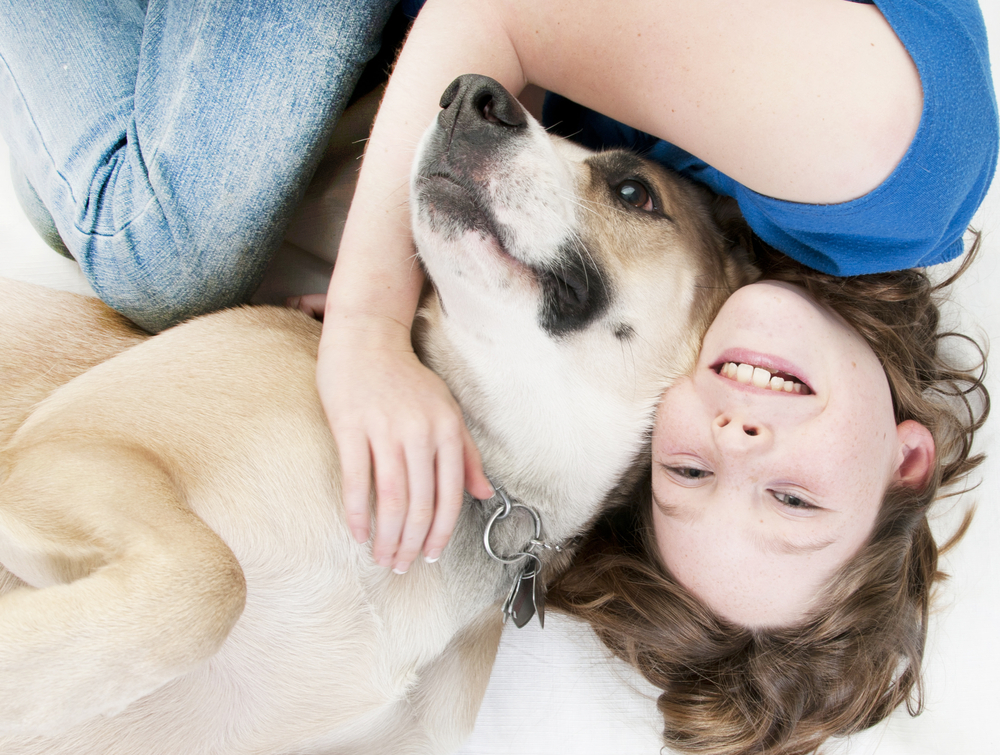
Another way to bond with your buddy is to snuggle. Not only will this be therapeutic for you, but it will also bring comfort to your pup. Canines crave contact, so cuddle with your dog every chance you get to increase your bond. 

Being groomed and brushed is actually a very enjoyable thing for most dogs. Brushing is not only a way to keep your dog's coat healthy, it acts as a sensory treat to your dog's skin, allowing them to relax and relieve stress. Much like we enjoy a long massage at the spa, your dog would love to get pampered at our grooming salon.  

Socializing your dog with other dogs is a great way to keep your companion happy. Provide your pup with opportunities to run and play with other dogs. Dogs are very social creatures, so encourage fun and healthy interactions.

There is no other bond quite like the one we have with "man's best friend." Morris Animal Inn knows the important role that our dogs play in our lives. Our facility is staffed with animal lovers, and we go above and beyond to give your pet the best care possible .We offer private and group daycare. We also provide a variety of pet services in our grooming salon, including nail trims, baths, hair cuts, and even facials because we only want the best for your pets. We provide luxury lodging accommodations and offer pampered pet sessions that give your pet the kind of special love and attention your pet deserves. 


Visit www.MorrisAnimalInn.com or call 973-539-0377 for more information. 


Source: Tails Pet Magazine, The Guardian, Doctors Foster and Smith


Friday, August 21, 2015

U.S. Army Specialist & His Bomb Sniffing Dog Reunite!

On August 20, 2015, Vance, a U.S. Army Specialist and his bomb sniffing dog, Ikar, reunited after 3 long years! They served together in Afghanistan and Vance missed his army partner very much. 


Vance was not sure he would see his pal again but thankfully the U.S. War Dogs Association and Mission K9 Rescue made it happen!


"The bond and amount of trust we had in each other was stronger than anything I could ever explain to another person," Vance expressed.


Vance and Ikar, a T.E.D.D. (Tactical Explosive Detection Dog), had a mission to save lives, limbs and helping his army buddies walk easier so they could do their jobs.


Vance's own words couldn't say it better about how he feels about Ikar. "I am so thankful he was found and is alive and well. I am even more thankful that I get the opportunity to give Ikar the proper home, love, and attention he deserves from this point on. He will live out the rest of his life being treated like a hero he is and enjoy spoils of retirement. I have missed my friend for over 3 years and knowing that he will be home soon with me is unbelievable. I will forever be in debt to all the people who made this reunion possible. I could not thank you enough times for you all to know how much this means to me. Thank you."


The Morris Animal Inn Operation: War Dogs Campaign has so far raised over $8,000 for the purpose of helping bring U.S. Military War Dogs home. We are happy to say that Vance and Ikar's reunion is the result of your support. The campaign continues until September 7, 2015. For the full article about Vance and Ikar click here.


Friday, July 3, 2015

Create the Best Backyard for Your Dog

No matter the size of your backyard, there are plenty of ways to transform your space into a doggy paradise. With the help of Tails Magazine, here are a few necessities for backyard your dog will drool over.

Fences. If at all possible fence in your space—both to keep your dog inside, and to keep other animals out. Make sure it’s high enough that your pup can’t jump over it, and if necessary, install protection underneath to keep your dog from digging his or her way out. If your dog is a barker, consider fencing that isn't see through.

Keep it Cool. Most dogs love lying in the sun on a warm summer day, but dehydration, heatstroke, and sunburn are all risks during the warmer months. If you don’t have any naturally occurring shady spots, invest in an umbrella or something similar to create a place where your dog can go to escape the sun’s rays. A doghouse is another great option. Does your dog like water? Fill up a kiddie pool with ice and water and let your dog cool off in a perfect sized watering hole.

Pet-Friendly Plants. Dogs can certainly appreciate flowers and plants, but be cautious about what you plant that your dog has access to. Many common flowers are potentially toxic to your furry friend. Check out our previous blog post on how to build a pet-friendly garden.

Potty Spot. A designated spot for "calls of nature" allow your yard to be kept clean easily. Mark off a specific area and encourage your dog to only go potty there. Try partitioning it off with a mini fence, large rocks, or some shrubbery. You can even put in a fake red fire hydrant to make the spot extra enticing!

Dig Zone. Dogs will be dogs, and dogs love to dig...which can be bad news for your lawn. Consider setting up a specific spot where your pup can dig to his or her heart’s content. Think of it as a doggy sand box, filling it with sand or soft soil, and let the hole to the center of the earth begin! If you have a determined digger who just won’t stick to one area, try sprinkling a natural deterrent such as cayenne pepper on the areas you want your dog to stay away from.

Toys. What’s a dog’s dream backyard without the perfect toys? Fun and interactive toys are a great way for your dog to burn some physical and mental energy while off-leash in the back yard. Try keeping some toys specifically for outdoors to make the backyard more special!

Time spent outdoors is enriching for your dog and gives ample opportunities to sniff, discover, and explore. Remember not to leave your dog outdoors unattended, and be cautious of the amount of time spent outside during the hot summer months. Your backyard can be a great place for you and your dog to enjoy quality time together. Take advantage!


Source: Tails Magazine

Friday, November 7, 2014

Should Dogs Play All Day in Daycare?

We’ve collected some information from the experts regarding choosing a daycare for your furry friend, and why we value our exceptional standards as a leading facility in the pet care industry.

There are many factors involved when considering doggy daycare, but we’ve boiled it down to three: Your dog, the facility and the staff.

Your dog.  Just like people, dogs have different personalities and have had different experiences while growing up. With a wide spectrum of who each dog might enjoy spending time with, it’s important to understand whether your dog would enjoy playing in a large group, or perhaps may enjoy some quiet alone time with a staff member.
Morris Animal Inn offers private daycare for dogs who prefer spending one-on-one time rather than being part of a group.

The Facility.  There are many amenities that go into providing a great and safe environment:
  • A dog’s play area needs lots of room and places for dogs to opt out of interaction if they want to go off by themselves and rest.
  • The facility must be clean, sanitary, and safe, outdoors and in. All daycares should have a plan to respond to a fire or other emergencies.
  • A separate play are for smaller dogs and for young pups – Morris Animal Inn’s play groups are based on size and play style. We also offer a puppy daycare for pups 8 to 20 weeks old!
  • There should be a place for the dogs to nap
It is important to understand that dogs need to sleep during the day. There must be a quiet secure place where the dogs rest for at least two hours each day.

According to trainer Kathy Sdao, businesses that brag that they never have the dogs off the play-floor misunderstand their responsibility to provide a balance of activities and rest.  It's unhealthy for dogs to play with each other, uninterrupted, for eight or more hours a day. It can create problems such as bullying, barking or impulsiveness. At Morris Animal Inn, each daycare guest has a luxury enclosure where they can rest comfortably during the day in between play times.

The Staff. A great daycare facility must have:
  • A high staff:dog ratio (at least one person for every 10 or 15 dogs)
  • Staff should be well-versed in reading dogs for signs of stress, discriminating between appropriate versus inappropriate play, and how to effectively but kindly manage the behavior of both individual dogs and a group of dogs
  • The best dog daycares conduct a thorough behavioral assessment of all new dogs
  • A policy should be in place if a dog bullies others, or initiates a fight 
  • Staff should be conscious of size differences and separate the dogs into different play groups if necessary
At Morris Animal Inn we have an average 1:5 staff to dog ratio.  Each of our staff members are well-versed and trained in dog dynamics and body language. Each staff member is trained through a series of courses, including courses by The Dog Gurus. We assess all dogs, and group dogs into separate play groups based on size, temperament and play style. 

We are proud to offer an exceptional daycare facility for your pet. So...should dogs play all day in daycare?  We believe the rest is fundamental for a happy and healthy pet!


Thursday, October 16, 2014

Can Dogs Protect You from Asthma?

Dogs enrich our lives in many ways, so Morris Animal Inn was intrigued by information indicating that the simple presence of a dog may help protect a household from asthma and allergens.

Interesting research from the University of Michigan late last year suggests that dogs may add a diversity of bacteria to household dust that is protective against respiratory disease.

According to the article in the Wall Street Journal, researchers have determined that children in households with dogs exposed to the outdoors may develop a gastrointestinal tract with a more mature immune response to allergens.  

They identified a species of “good gut bacteria” that is critical in protecting the respiratory airways from sensitivity to allergens and viral infections.

Researchers found that this “good bacteria” prevented airway inflammation associated with allergies, and also infection with Respiratory Syncytial Virus, other wise known as RSV. RSV infection in children is known to increase the risk of asthma.

This is interesting for pet owners because the presence of pets is sometimes associated with pet dander, which is known to have the opposite effect. Of course there still is so much to learn about this topic, but it’s an interesting concept, don’t you think?

There are many proven health benefits to owning a pet and further research on this topic may add another benefit of living with pets to the list!


Thursday, October 9, 2014

Road Trip - Helping Your Anxious Dog in the Car

We all love our dogs and look forward to taking them places for their enjoyment, but sometimes traveling with your pup can be difficult if your dog shows signs of stress, barks out the window or even vomits. Working to solve your dog’s issues in the car can be beneficial to both you and your pooch.  


Try to determine what it is about the car that is causing your dog’s stress. Though you may never know what the exact issue is, there are always methods of improving the car ride. Start by getting your dog used to the car. Whether you have a puppy or an older dog, there are steps that you can take to help them adjust.

Puppies. If you have a puppy that is in his or her socialization window, which is before 20 weeks, it’s important to get your dog in the car as much as possible. Bring your puppy with you when making short trips. If you are running to the bank or picking your kids up from school, take them with you on these trips to get them used to the car. With puppies, you have the added benefit of adding different environments to his or her repertoire. Every new place you go together is a new environment that will help increase their confidence outside your home.

Adult Dogs. This process can be slightly different when dealing with adult dogs. For dogs that are afraid of the car, short trips as simple as driving around the block are key. Just once around the block and heading back home can help your dog better adjust to the car. It’s also important to end the short car trip with something that your dog loves, like a long walk. This method can also work for a dog that gets an upset stomach when riding in the car. The idea is to keep the ride short, and again end it with something that your dog goes crazy for, like a walk. This needs to be continued until your pet seems better adjusted, and then you can begin longer trips with your dog. This process can be done with any dog that is having any type of problem in the car.
Easing Stress. If your dog is clearly stressed out in the car, the best thing you can do is work on it over time. Start by getting them used to the car when it's stationary.  Feed them treats or meals inside the car without going anywhere so they can get used to being inside.

However, if you are looking for other things to help, they could benefit from the following:
  • A Crate: Crates are a great tool for the car and can take some of the stimulus away that could be causing your dog's stress, like movement or sounds outside window. They can also serve as a safety measure; keeping your dog in a crate or in a single position through the use of a seat belt can help reduce risk of injury should you have an accident or even just need to slam on your brakes.
  • Pheromone Remedies: There are pheromone sprays similar to ones that a mother dog would naturally produce in order to help calm her puppies. These “Rescue Remedies” can be sprayed in your car, or mixed in with your dog's food, in order to help your pooch calm down. Remember that it’s not a cure, but it might help your dog quite a bit.
  • Thundershirt: The Thundershirt is designed to help calm your dog by making them feel more secure. It’s important to first put the Thundershirt on a few weeks prior during feeding times and other random “good” times. You don’t want to just use the shirt as a way to calm your dog down. If you only put the shirt on the dog when they are going in the car, they will begin to associate the shirt with the car, which could hamper its effectiveness.

Car Sickness. If your dog vomits in the car, there are steps that you can take in order to prepare them for the car ride. Don’t feed them before they go for a car ride, and make sure they aren’t consuming a large quantity of water before getting into the car. Keep a cleaning agent with you just in case, and remember that it is easier to clean up if your dog is in a crate. Even if your dog doesn't throw up, they still might be suffering from motion sickness, and still feel nauseated.  Watch for drooling, trembling or a hunched posture. A vet can tell you about medications that may remedy this problem.

Remember to address the issues that your dog has in the car before your trip. You should never address an issue while you are driving; not only does it put you and your dog in danger, it also endangers other people on the road! By addressing your dog’s fears and stress prior to the trip, you can help improve the car ride for yourself and your dog, and move on to enjoying going out and about together!


Source: ASPCA

Thursday, October 2, 2014

Are You Giving Your Dog the Right Kind of Affection?


Sometimes we forget that our dogs display affection in a different way than we do. While humans display affection through gestures like hugging and kissing, dogs display through licking, jumping, snuggling, and tail wagging.

As a dog owner it’s important to give your dog the right kind of affection at the right times.  With the help of  Animal Wellness Magazine and The Pet Professional Guild we've compiled some information for you and your dog to speak the same language...love!

Kissing vs. licking

While important among people, kissing and hugging are not in a dog’s behavioral repertoire!  On the other hand, licking one another is important to dogs, but not something humans normally do!  If your dog licks you, most of the time it is a sign of affection and attachment.  Dogs probably don’t understand the equivalency of kisses and licks so try to keep this in mind!

How do you know what kind of affection your dog likes?

The best way to know is to observe their behavior!  If your dog enjoys the petting or the scratching, they will remain relaxed and not tense up.  Their ears should stay forward and the tail high. If your dog tries to move away and avoid you, then they probably don’t like it.  If your dog wants you to continue, you should expect them to move toward you and show a behavior that has worked in other contexts to get what they want such as pawing at you or leaning against you.

Hugging

Most dogs learn to accept or tolerate hugs from familiar individuals, but because they cannot hug one another, it is unlikely they recognize this as an affectionate behavior.  For a dog, a hug can resemble the social threat of having another dog place his paws on or drape his neck overtop her shoulders in an act of dominance. 

Being hugged is probably confusing for dogs.  When dogs are confused or uncertain in situations, they may display displacement behaviors.  The most common canine displacement behaviors are lip licking and yawning.  If a dog shows any of these behaviors when being hugged or kissed, it’s a clear sign to stop, because they are not enjoying it!

During an interview with Mother Nature Network, Animal Behaviorist Patricia McConnell talks about reading your dog. “It’s good to be sure how your dog feels when you hug him or her, and how he feels when strangers go in for a hug, especially since hugs mean putting your face next to a sharp set of teeth. If a dog barely tolerates hugs, then the wrong hug at the wrong time could mean the dog snaps at the hugger. No one wants that. Thankfully, dogs make their thoughts abundantly clear through body language." As long as you know what to look for, you will know what your dog thinks of a love-squeeze.

If your dog goes stiff, closes their mouth, or licks their lips they might be anxious, concerned, or think they did something wrong!

Better understanding your dog’s likes, dislikes, and body language can help you communicate to one another how much you care!  Sometimes a nice scratch or rub behind the ears or under the chin, or a belly rub can say a lot more than a hug or kiss!


Friday, September 12, 2014

Caring for Your Senior Pet

After many years of loyalty, support and companionship, doesn't your dog deserve the best care you can give? With the right routine and some loving care, watching your canine companion grow older can be a rewarding experience.

Most veterinarians believe dogs are in their senior years when they reach the last third of their normal life expectancy. For instance, a large breed dog, such as a Great Dane that lives to be an average of nine years old, would be considered "senior" when they reached the age of six. Poodles that normally live to be 15 years old would be considered "senior" at 10 years old.

As your pet ages, you may first notice outward signs: white around the muzzle, less exuberance, hesitation trying to stand up after a nap or difficulty climbing into your vehicle. Then there are the internal signs we can't see, like a slowing metabolism, and changing nutritional requirements. Just as we give special attention to the needs of puppies, dogs heading into their senior years require unique attention to help comfort them and extend their precious time with us.

If you're lucky enough to share your home with an older pet, here are some tips we recommend for their care:

Exercise is still important. Although they can still have a grand old time romping and playing, you may need to adjust the frequency and intensity of the exercise your older pet engages in. Using those muscles regularly will help their mobility and possibly even stave off certain diseases. Shorter, more frequent walks or swims can help keep your dog in shape and their weight under control, and the continuation of current activities, whether it is a game of fetch or agility, should be continued until your dog exhibits any sign of discomfort.

If your canine friend has arthritis or is stiff and sore, a ramp will help them to get up and down from higher areas like vehicles or furniture.  This will make it much easier on their joints, and will allow them to maintain some of the adventure they enjoyed as a youngster.

Morris Animal Inn offers aqua massage for recreational purposes.  Some pet parents select the aqua massage to ease the aches and pains of arthritis and to sooth their dog's muscles.

Be gentle on those joints. To protect older elbows and haunches, provide your mature dog with a firm, orthopedic foam bed. There are "medical-grade" beds out there specifically designed by veterinarians that distribute weight evenly and reducing pressure on joints. They are also much easier to get out of in the morning!

Elevated food and water bowls can make eating and drinking more comfortable for arthritic pets, particularly if there is stiffness in the neck or back.

Take your vitamins. Dogs that have arthritis often benefit from drug-free nutritional supplements that contain ingredients such as Glucosamine HCl, Chondroitin Sulfate, and Vitamin C. Just be sure to consult your veterinarian, who can recommend the best supplements for your dog.

Good Nutrition and Hygiene.   Read the dog food label and choose a diet that is appropriate for your dog’s age and lifestyle.  Overfeeding your pet can lead to obesity which may cause additional health problems. Also, brushing your dog’s teeth may seem like a silly idea but it can help keep your dog’s mouth healthy. If you cannot brush, consider dental treats and toys that help keep the teeth clean.

Give lots of loving attention. As your pet ages, keep a close eye on their movements, behavior, and habits. Look for the signs, such as loss of appetite, excessive sleeping, irritability, changes in gait (walking patterns),  weakness, and incontinence. If your pet shows these signs, have them checked by your veterinarian. Be prepared to treat them with a little more love and care than ever before.

Schedule regular visits with your veterinarian. Your dog needs to be examined at least annually, even if they appear healthy, as many diseases are hidden and not apparent.  Remember it is much cheaper to prevent disease than it is to treat it! Ask for a body condition evaluation during each vet visit. Body condition is crucial to determining whether your senior dog is overweight, underweight, or at an ideal body weight. 


Source: PetMD, MSPCA

Monday, September 8, 2014

Autumn Safety Tips for Your Pets

Summer is surely coming to an end -- the kids are back to school and the days will slowly become shorter and cooler. The end of the sweltering heat isn’t always a bad thing! Autumn is a great time for some outdoor adventures with your pet; the air is crisp and there is nothing better than rolling in a pile of red and gold leaves together. Just like any other time of year, the start of the new season brings new risks for your pet.

Here are a few risks to be aware of in the upcoming season:

Back to School Supplies. Items in your kid’s pencil box like glue sticks, pencils and magic markers are considered “low toxicity” to pets, which means they're unlikely to cause serious problems unless they ingest large amounts! However, since gastrointestinal upset and blockages certainly are possible, be sure your children keep their school supplies out of paw's reach!

Rodenticides. As rodents seek shelter from the cooler temperatures by attempting to move indoors, the use of rodenticides increases in the fall. Rodenticides are highly toxic to pets—if ingested, the results could be fatal. If you must use these products, do so with extreme caution and put them in places inaccessible to your pets.

Mushrooms. Unfortunately, most of the highly toxic mushrooms are difficult to distinguish from the nontoxic ones, so it’s best to keep them away from all mushrooms. Be especially cautious of parasol-shaped mushrooms and all small brown mushrooms. Symptoms of mushroom poisoning can range from mild vomiting and diarrhea to severe digestive problems to complete liver failure.

Grumpy Snakes. Autumn is the season when snakes who are preparing for hibernation may be particularly “grumpy,” increasing the possibility of severe bites to those unlucky pups who find themselves in the wrong place at the wrong time. Pet owners should know what kinds of venomous snakes may be in their environment—and where these snakes are most likely to be found—so they can keep pets out of those areas.

Engine Coolant. Many people choose fall as the time to change their car's engine coolant. Ethylene glycol-based coolants are highly toxic, so spills should be cleaned up immediately. Consider switching to propylene glycol-based coolants—though they aren't completely nontoxic, they are much less toxic than other engine coolants.

Bonfires. Fall is a great time to snuggle up around a bonfire. However, fire can be a great danger for your curious pets. Make sure that you close up your fireplaces, block off any fire pits, and keep your pet away from the spark zone.

Heating Devices. If you use an indoor electric heater in your home when it starts to get chilly, be sure that you turn it off each and every time you leave the house in order to keep your pet safe from any potential accidents or house fires.

Hunting. October is the peak season for hunting. Make sure both you and your pet are wearing proper bright colors to ward off any hunters in your area! If your pets are allowed to be outside unsupervised, make sure they are unable to wander into a hunting zone.


Source: ASPCA, PetAg, Agway

Tuesday, July 1, 2014

Who's Walking Who? Choosing the Right Harness or Head Collar

Summer is here and your pup is probably anxious to pull you out the front door to go for a walk. Even if you don’t have a dog that pulls, choosing the correct equipment can make an ordinary walk with your dog safer and more enjoyable.

Choosing to walk your dog with a harness or head collar can have great safety benefits for your dog. Pet stores have a variety of different items to choose from, which can seem overwhelming. Luckily, there are three that Morris Animal Inn considers the best no-pull devices on the market today, and all of them are available for purchase..

Freedom Harness: Made by Wiggles Wags and Whiskers, the Freedom Harness is specially designed to gently tighten around your dog’s chest to prevent them from pulling. The harness features clips in both the front and the back, and is designed for comfort featuring a velvet strap that goes under your dog’s chest to prevent chafing. The harness comes in a variety of different colors, so you can find the one that best suits your four-legged friend.


Gentle Leader: This product is made by Premier and is marketed as a head collar that stops pulling, lunging and other unwanted behaviors. The Gentle Leader goes around your dog’s mouth and the top of their head and prevents pulling by guiding your dog’s head down when they pull. The device allows for great control of your dog, and is highly recommended for anyone struggling with enforcing proper walking skills. Even though this product goes around the dog’s mouth, it is not a muzzle; the dog will still have free use of their mouth to sniff and eat.


Sensation Harness: Designed by Softtouch, this front connection harness is meant to prevent your dog from pulling.  They also make a swim friendly version for all those water loving dogs! Since the harness clips in the front, where the dog’s chest moves, their body will follow, eliminating pulling.


These items are made to prevent your dog from pulling and have safety benefits unlike other devices such as flat buckles, prong and choke collars, which can often cause physical damage to your pooch when not used properly or used for the wrong dog. A dog who repeatedly pulls on a regular collar risks conditions like a collapsed trachea with repeated wearing. 

These selections mentioned above should not cause damage, will help you while walking, and can greatly benefit both you and your dog. Stop by our lobby and have one of our experts fit your dog for any of them.

A no pull harness can quickly improve your dog’s walking skills, however, manners training will complement these no-pull harnesses and head collars nicely and do more to change the pulling behavior of your dog. 

If any of you have a dog that pulls or deal with them on a regular basis, sometimes it is as easy as getting them on something that immediately works.  The magic is in the product, not the way you use it!  We are catering the needs of each dog, as well as taking into consideration your requests, and what we think would work best for them in a real life situation.   


Friday, June 20, 2014

Clever Care for your Pet


The key to a good pet-owner relationship is understanding your dog or cat and their preferences as best you can. Learning animal body language is a vital step, but it can’t hurt to have a few handy pet tricks up your sleeve. After doing lots of reading, research and training of our own, here are four unlikely tips that could help as you work to create a great friendship with your pet. 

Earn trust by looking away – A finicky cat, or a hesitant dog, will shy away from direct eye contact, as it can be intimidating, especially when initiated by a stranger. Give the pet time to approach you on their own before meeting their gaze to avoid being seen as “rude” by a cat or a threat by a dog.

Discouraging potty training errors – Rather than pointing your dog’s nose into that pee spot on the carpet and scolding them, you can prevent a repeat incident by making sure you remove the smell completely from your rug. After soaking up the spot (a squeegee works too), a dusting of baking soda or a rub with a baby wipe should do the trick.

New is not always better – When your cat’s scratching post starts to look ratty and worn, don’t jump too quickly to replace it. Cats enjoy a worn-in post more than something new, and may switch to valuable furniture to dig their claws into if you take that away. If the post does need refreshing, adding a few coils of rope can help provide a new scratching surface.  When you need to buy a new toy for your pet, think about making one at home from old fabrics and toys laying around the house.  This will help save money, and keep your pet occupied.

The difference between bribery and reward – Training with treats is an effective way to get your dog (or cat!) to learn tricks and positive behaviors. However, you want to reward your pet with affection, praise, games and petting in addition to the treats. This way, they learn to appreciate your attention along with the snack!


For more on these clever pet care and training tips, visit Petfinder, Dog Breed Info Center or ABC News on Dr Marty Becker’s “Your Cat: The Owner’s Manual.”