Showing posts with label Cleaning. Show all posts

Friday, July 28, 2017

A Dog's Good Outlook on Life

Sometimes, we like to pamper ourselves. Whether it’s a regular appointment or a weekend away at a spa, we like to get our hair and nails done. It helps us feel relaxed and gives us a good outlook on life.

We look and feel better when we care for ourselves, and the same goes for our dogs.
Our pets need regular grooming in order to not only keep them looking good, but to keep them healthy too.


Some of the common, regular grooming that dogs should have are: trimmed toenails, taking care of matted fur, cleaning their ears, regular bathing and teeth brushing.

Because our pets can’t talk to us to communicate, keeping them groomed well can help us to identify any problems they may have and prevent problems as well. For example, ear cleaning can help prevent ear infections, and a good blow dry can prevent matted fur, which helps more air get to the dog’s skin. You’ll also be able to be aware of any skin abnormalities if your dog’s fur is groomed well. Regular teeth brushing can not only help with bad breath, but can help to prevent future problems with a dog’s heart and kidneys that can occur if infections are not found and treated.


While these are just a few of the ways grooming can be beneficial to a dog’s health, it’s important to learn more about how to keep your dog healthy. Ask your vet or pet groomer if there’s anything specific to your breed or size of dog that you should consider.

At Morris Animal Inn, we can assist with your regular grooming needs for your dog. Reach out to us so we could help maintain your dog's good outlook on life. 


Friday, February 21, 2014

Behind the Scenes at Morris Animal Inn


At Morris Animal Inn, we love to talk about all the fun your pets have while staying with us. Just as important, however, is making sure they stay safe and healthy. We encourage owners to always consider their pet’s well-being, which is why our facility is specifically designed for your pet’s safety.

Take a tour behind the scenes of our state-of-the-art facility to learn more about what sets us apart, and what we do every day to ensure the best quality care for your pet.

Cleaning: We use the safest cleaning products to disinfect all suites and surfaces throughout the facility. Lodging staff ensures that each pet has a clean and comfortable area to call their own during their stay.

Emergency Preparation: The sun never sets on Morris Animal Inn! We have total generator backup just in case the power goes out, the latest sprinkler systems for fire safety and around-the-clock video surveillance. To make sure that our guests are resting comfortably and feel right at home, our staff also performs bedtime checks on each and every pet.

Training: Our excellent safety record and the quality care that pets receive at Morris Animal Inn are possible thanks to our many devoted pet technicians. Our staff members are some of the best trained in the industry; they are always looking to learn and continue to study best practices. We are incredibly proud of the number of staff who have earned multiple levels of certification through Outstanding Pet Care Learning Center, as well as our staff who are Pet First Aid and CPR certified.

Family: Perhaps the most influential part of Morris Animal Inn’s background is the four generations of family members behind it. Our staff is proud to be part of a business that has been family owned and operated for over fifty years, and we care for pets each day knowing that we are doing our part to further that legacy.

There are many steps we take to ensure your pet’s safety, but perhaps the most important is what you can do before bringing your pet to visit us. We require current vaccinations for all pets in our care in order to make sure they stay happy and healthy. Visit our website for detailed information about required dog vaccines and cat vaccines, and feel free to call us at 973-539-0377 or stop by for a tour to see for yourself the love, detail and attention that go into caring for pets every day at Morris Animal Inn.

Friday, May 20, 2011

Tick and Flea Prevention

Oh no! Not ticks and fleas!
What are two five letter words that pet owners never want to think about? Ticks and fleas of course! Unfortunately, as the weather warms up, flea and tick populations increase and become an unpleasant reality. How can you tell if your pet has fleas or ticks and what can you do when faced with this situation?

Not to worry, Morris Animal Inn has got you covered with the best advice on handling this situation.


Critter Identification
Ticks:
American Dog Tick
Photo Courtesy of jkirkhart35
There are three different types of ticks prevalent in New Jersey: the deer tick, the Lone star Tick, and the American Dog tick. Deer ticks are the smallest and are black in color. The deer tick is a transmitter of Lyme disease. The American Dog tick is much larger in size, looks like a white or grey kernel of corn when engorged, and is the tick that is most frequently encountered. The American Dog Tick can be a transmitter of the Rocky Mountain Spotted Fever. The Lone star tick can be identified by the white spot on its back but is less common in this area.
Fleas:
Fleas appear as small red or black dots about the size of a pinhead and can be found on any part of the body, but tend to congregate around the neck and tail area of cats and dogs.

Preventative Measures
Ticks tend to favor wooded areas with overgrown grass. After every hike or walk with your dog, take the time to diligently scan his or her body for ticks. Use a brush or a flea/tick comb to slowly comb through the hair. If any fleas or ticks were on your dog’s body, it would get trapped in the fine tines of the comb. It is important to speak with your veterinarian about the best preventative measure but for owners convenience Morris Animal Inn carries Frontline for all size dogs and would be happy to administer the application.

Cures
Ticks:
http://www.dogtipper.com/
What do you do if you find a tick on your dog’s body? Use tweezers to pull the tick straight out, do not twist. Try not to grab the tick’s body but rather the mouthparts attached to your pet. Drop the tick in a jar of alcohol to kill it. If you want to be sure it is not a disease carrying deer tick, bring the tick preserved in alcohol to your local veterinarian to have it examined. Simply flushing a tick down the toilet will not kill it. Clean the bite wound with antiseptic.
Fleas:
Fleas are less dangerous than ticks but are much more annoying. As soon as a flea sucks blood it is able to reproduce and will soon lay eggs. To completely eradicate fleas from your pet and your home it is crucial to wash all bedding where your dog or cat sleeps in hot soapy water. Vacuum the entire house making sure to focus on baseboards and the corners of every room. Seal the vacuum bag in a plastic trash bag and either freeze it or pour flea powder into the bag to ensure the fleas do not return and then dispose in an outdoor trash receptacle. It may take several weeks to entirely wipe out those pesky fleas so continue to wash bedding, rugs, and pillows and become a vigilant with your vacuuming. If these natural solutions prove ineffective after several weeks, it may be time to invite an exterminator over. Just make sure that whatever fogger or spray is used contains an IGR, or insect growth regulator, to exterminate the flea in all its life cycles, from larva to adult.

To remove fleas from Fluffy or Fido, wash them in hot soapy water. There are many natural remedies out there that you may want to try before resorting to flea shampoos which contain harsh chemicals but may later prove to be necessary. Discuss your options with your veterinarian to determine the best and safest solution for your pet. If needed, Morris Animal Inn does provide flea shampooing.
Armed with these tips, you’ll be able to show any tick or flea whose boss!

What tick and flea remedies have you found most effective?

Sources:www.dogster.com, www.petplace.com,

Wednesday, April 6, 2011

Put Some Spring in That Paw!

Spring has sprung, leading many of us to turn our thoughts to Easter celebrations, spring cleaning and home improvement projects. But the change of season can be precarious for curious pets or their unknowing owners. Before you launch into your decorating regimen, seasonal projects or outdoor ventures, take a moment to learn about the most common springtime hazards for your furry friend.

Easter Treats and Decorations
Keep Easter lilies and candy bunnies in check—chocolate goodies are toxic to dogs and cats, and lilies can be fatal if ingested. Kitties also love to nibble on colorful plastic grass, which can lead to digestive woes.
                                         
                                         Window Screens
Many pet parents welcome the breezy days of spring by opening their windows, unknowingly put their pets at risk. This is especially true of cats, who are likely to jump or fall through unscreened windows. Be sure your all of your screens are sturdy and safe before allowing your pets to take in the warm breezes.

Car Travel  
We all know dogs love to feel the wind on their furry faces, but the bed of a pick-up truck or the window of a moving-car is a dangerous spot for your pup. Flying debris and abrupt stops or turns can cause unwanted injury or infection. Pets in cars should always be secured in a crate or wearing a seatbelt harness designed especially for them.

Spring Cleaning
Spring cleaning can be a great way to get rid of some common household dangers like poisonous bugs and debris your pet could ingest, but be sure to keep all cleaners and chemicals out of their reach. Almost all commercially sold cleaning products contain chemicals that are harmful to pets. Be sure to read and follow directions for proper use and storage of these products.

                                              Home Improvement
Paints, mineral spirits and solvents can be toxic to your pets. Read all labels thoroughly to see if a product is safe to use around your furry friends. Also, be cautious of physical hazards like nails, staples, insulation, blades and power tools. It’s usually best to confine your dog or cat to a room during home improvement projects, just make sure they have plenty of food, water and stimulation to keep them happy!

Yard Work
Fertilizers, insecticides and herbicides keep our plants and lawns healthy and green, but their ingredients aren't meant for canine or feline consumption. Always store these products in inaccessible places and follow label instructions carefully. The ASPCA has a full list of garden tips.

Poisonous Plants
Growth is a sure sign of spring but beware, many popular springtime plants (Easter lilies, rhododendron and azaleas) are highly toxic to pets. The ASPCA also has a comprehensive list of toxic and non-toxic plants for your home and garden.

Allergies
Pets can be allergic to foods, dust, plants and pollens, too. Allergic symptoms in dogs and cats can range from sniffling and sneezing to serious reactions. If you suspect your pet has a springtime allergy, make a visit to your veterinarian as soon as possible.

                                                      Bugs
Showers bring flowers, but flowers bring bugs! Make sure your pet is on year-round heartworm preventive medication and a flea and tick control program to combat the dangers of insects. Your veterinarian can recommend a plan designed specifically for your pet, and Morris Animal Inn can assist with Frontline applications.

The Outdoors
Warmer weather means more trips to the park, longer walks and an increased risk of pet wandering. Make sure your dog or cat has been microchipped for identification and wears a tag imprinted with your home address, cell phone and any other relevant contact information. Canines should wear flat (not choke) collars and sturdy leashes with the ability to extend for your pet’s enjoyment, and reign in when necessary. Come take a look at the spring collection of UpCountry collars in our lobby boutique!
 
By following these tips and allowing us to care for your pet while you can't, you and your pet are sure to fully enjoy the spring season!

Source: www.aspca.org

Friday, March 25, 2011

Shed that Winter Coat!

Now that spring has officially sprung, (though it might not seem like it!) it's time to invest in some spring cleaning…for your pet that is!

With spring, we get the good and the bad: more sunlight and blossoms come with allergy attacks, muddy shoes, and if you are the owner of a fuzzy friend, more hair everywhere.

The Shedding Situation
For many people who own dogs that have a double coat (which includes a top coat and an undercoat) like Newfoundlands, Samoyeds, and Shelties or have long haired cats like Himalayans and Persians, excess hair floating around your house is as natural as dust mites. While this is not harmful, hair trapped in the coat is unsightly and uncomfortable for your pet. For cats, it can also cause an increase in hairballs.

For some dog owners, shedding appears to be a year-round occurrence. In fact, it probably is, according to TrainPetDog.com. Since most of our pets spend their time indoors in heated houses during the winter and then go outside into the cold for walks, it fools your dog’s body into thinking the seasons are changing.

Dogs without two coats, like Poodles, Bichon Frises, and Tibetan Terriers, must still take extra care to brush their dog’s coats regularly. Since these breeds don’t lose hair as naturally, their hair tends to get matted if not brushed properly and frequently.

How to Cope with Shedding
As your dog’s winter hair shakes loose to make room for a new spring coat it is important to brush, brush, brush! The appropriate shedding tools will help remove loose hair from the undercoat and a slicker brush will knock hair from the top coat. Catching the fuzz between the bristles of a brush will prevent them from finding their way to your floor, your furniture or your clothing.

If you have trouble keeping up the rigorous brushing routine on top of all your other spring cleaning, simply bring your dog and all that fuzz to Morris Animal Inn. Our groomers will happily take on the challenge! Our effective shedding tools combined with regular grooming appointments will do wonders to help our fuzz-emitting friends, both canine and feline. If you feel your pet needs extra help in this area, we offer the Shed-Less procedure, performed right in our state-of-the art spa. This process is a multi-step procedure that utilizes a shampoo and conditioner, a pre and post bath blowout, special shedding tools, and a finishing spray, all of which are designed to eliminate excess hair but without hindering the natural shedding process.  The process is best if scheduled once every six weeks.

Honor your pets and your home this spring by keeping their shedding to a minimum…your couch will thank you!

Sources: TrainPetDog.com
                Dog Breed Info Center

Wednesday, December 29, 2010

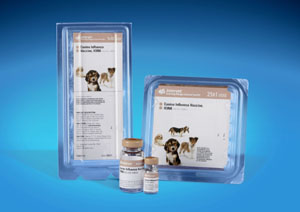
New Year, New Options: Canine Influenza Vaccine

Over the last few years there has been a lot of discussion about Canine Influenza.  More recently, a Canine Influenza Vaccine has been introduced to veterinarians. Morris Animal Inn, in an effort to maintain our status as a leader in the industry, has done extensive research with local veterinarians and Schering Plough, manufacturers of the CIV vaccine. We would like to share the following with you as you make the decision with your veterinarian whether to add the CIV vaccination to your pet’s 2011 list of vaccinations.

Morris Animal Inn has not had any cases of the Canine Influenza; however, there have been cases in New Jersey, so we are taking the potential exposure seriously.

The Canine Influenza is highly contagious and can be transmitted by infected dogs prior to their showing any symptoms. Typically, it is airborne, passed by dog to dog contact, or via people's hands or clothing. The disease is usually mild, accompanied by coughing and sneezing similar to the typical Canine Cough. The main concern is for approximately 20% of the dogs that may exhibit additional symptoms such as loss of appetite, lethargy, nasal discharge, fever, and potentially, pneumonia.

Based on discussions with area veterinarians and representatives from Schering Plough, our recommendation is that all our customers' dogs be vaccinated for Canine Influenza; however, we are not mandating it at this time. You should consult with your veterinarian to determine if the vaccine is appropriate for your dog.

Canine Influenza Vaccine
It is important to keep in mind that the current vaccine is not a preventative, and even a properly vaccinated dog, when exposed, will still contract the virus. The vaccine is designed to reduce the severity of the disease, the length of time the dog is sick and the complications that are brought on by secondary bacterial infections. The vaccine is a two injection series and becomes effective after 30 days.

Hopefully, your pet(s) will never contract Canine Influenza, but if your dog exhibits symptoms, it is important that you consult with your veterinarian promptly. Due to the nature of this virus, regardless of how diligent we are in cleaning and screening protocols, it may be impossible to totally prevent in the future. That said, we want to assure you that your pet’s health and happiness is always our main concern.

Morris Animal Inn wishes you and your family a happy, healthy New Year!

Friday, September 10, 2010

5 Ways to Go Green with Your Pets

We've all been told many ways we can green our homes and businesses. But what about our pets? You'll be glad to know that there are some simple ways to make their existence eco-friendly as well. From reducing your pet's carbon pawprint to making your home and yard a safe place for your pets to play, here are five ways to make an environmental difference.

1) Adopt your pet from an animal shelter or rescue group. ASPCA Executive VP Stephen Zawistowski estimates that nearly 12 million dogs and cats are brought to New York City animal shelters each year and about a third are euthanized because there are not enough homes available. By adopting, you will be shopping locally--you're getting a pet that was born in your neighborhood and will stay there.

2) Spay or neuter your pet. If your pet hasn't already been spayed (females) or neutered (males) when you get them, make sure you have this done as soon as safely possible. Spaying and neutering help to reduce the number of unwanted pets and helps prevent many diseases common to "intact" animals. According to pet author Karen Lee Stevens, your pet will be healthier and require less trips to the vet, therefore decreasing the number of greenhouse gases being emitted into the atmosphere from your car.

3) Use natural cleaning and grooming products. Common cleansers like Lysol and bleach are toxic to pets, can cause digestive upset, mouth irritation and even liver damage. Fortunately, there are natural, inexpensive cleaning options right in your own cabinet. Some of the best include distilled vinegar, baking soda and lemons, both for scrubbing and for getting rid of odors. And rather than using pet shampoos that contain chemicals like propylene glycol, opt for herbal products derived from plant-based and other natural sources. Don't forget your paper towel usage counts, too. Sally Deen, of Dog Fancy magazine tells us to try to cut down on your use, and find recycled paper towels to get the job done.

4) Use eco-friendly pet products. From cat litter to collars, there are plenty of choices for the green-friendly pet owner. Your typical cat litter is clay-based, which comes from strip-mining the ground and wreaking havoc on the environment. Instead, try litters made of corn, wood pulp and pine. Toys are easy--walk into any pet supply store these days and you are likely to find a selection of pet entertainment options made of organic or recycled materials. Better yet, save money and the Earth by offering up an old sock, cardboard box or newspaper as a toy for your pet. You can find bedding made of recycled fibers, organic food and collars. You might even consider moving your pet to a part-time vegetarian diet to cut down on the energy required to raise and produce edible meats.

5) Stay chemical-free outside the house. Even if you switch the products you're using on your floors and counters, the lawn is likely to be teeming with pesticides that are harmful to both your pet and the environment. Garden centers have caught onto the fact that people don't want to ingest toxic chemicals, and they certainly don't want their children or pets to, either. Therefore, they have developed and begun offering outdoor products made of all-natural ingredients and educating home owners about organic techniques for producing a thriving yard or garden. Visit your local garden center for some expert tips on this "growing" practice.

With a little effort and some ingenuity, you can make a safer, more natural life for your pets...and tread a little bit more lightly on our one and only planet Earth.